Rock-filled gabion basket retaining wall on a sloping erosion-prone Toowoomba site

Gabion Retaining Walls in Toowoomba

Rock-filled wire baskets that form a strong, free-draining wall well suited to sloping and erosion-prone sites.

See indicative pricing

Who this is for

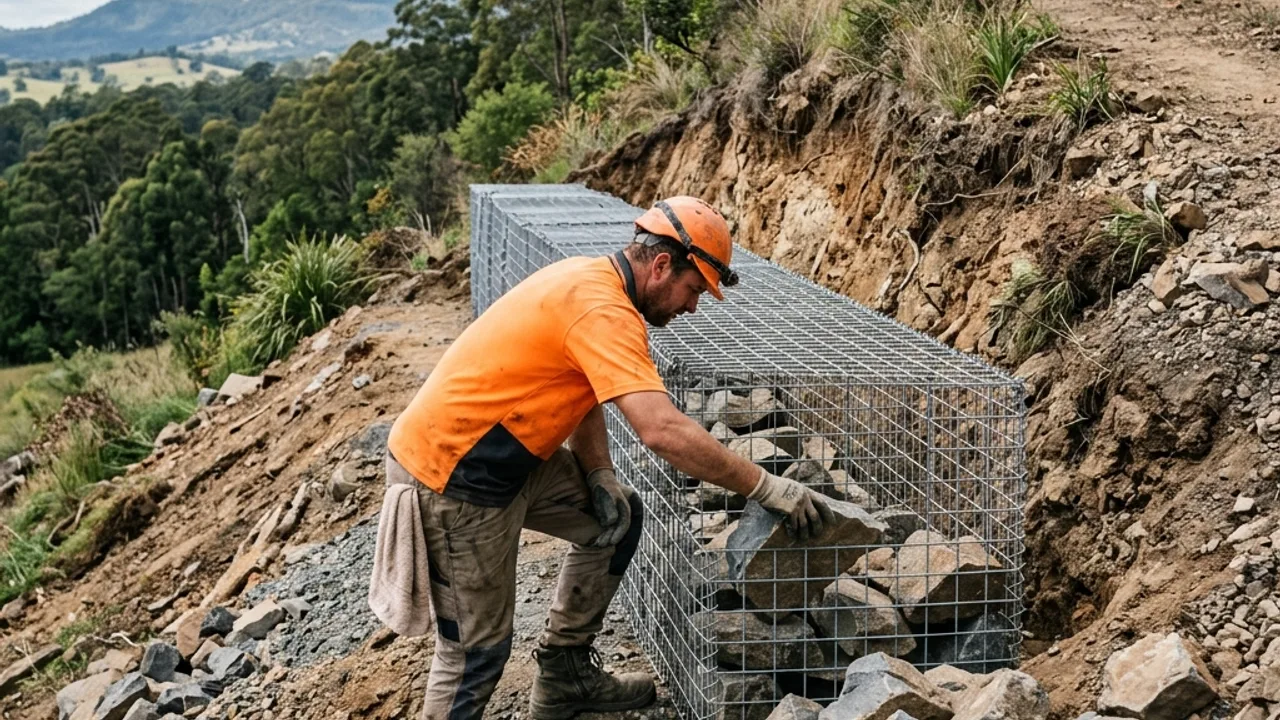
A gabion wall is built from gabion baskets - galvanised steel wire cages packed with rock - stacked and tied into a wall that is both heavy and completely free-draining. The weight of the rock-filled baskets holds the ground back (a gravity wall), while water runs straight through the stone, which makes gabions a strong answer for sloping, seepage-prone and erosion-exposed sites where a solid wall would fight water pressure. They suit creek batters, rural-residential cuttings and long, lower-height retaining where a rugged engineered look is wanted. The builders in our network found the baskets on a level base, fill them densely so they do not settle, and back them with geofabric so the surrounding clay cannot wash into the rock. Tell us the length, the height and what the wall is holding, with your suburb, and our team will arrange a builder to quote.

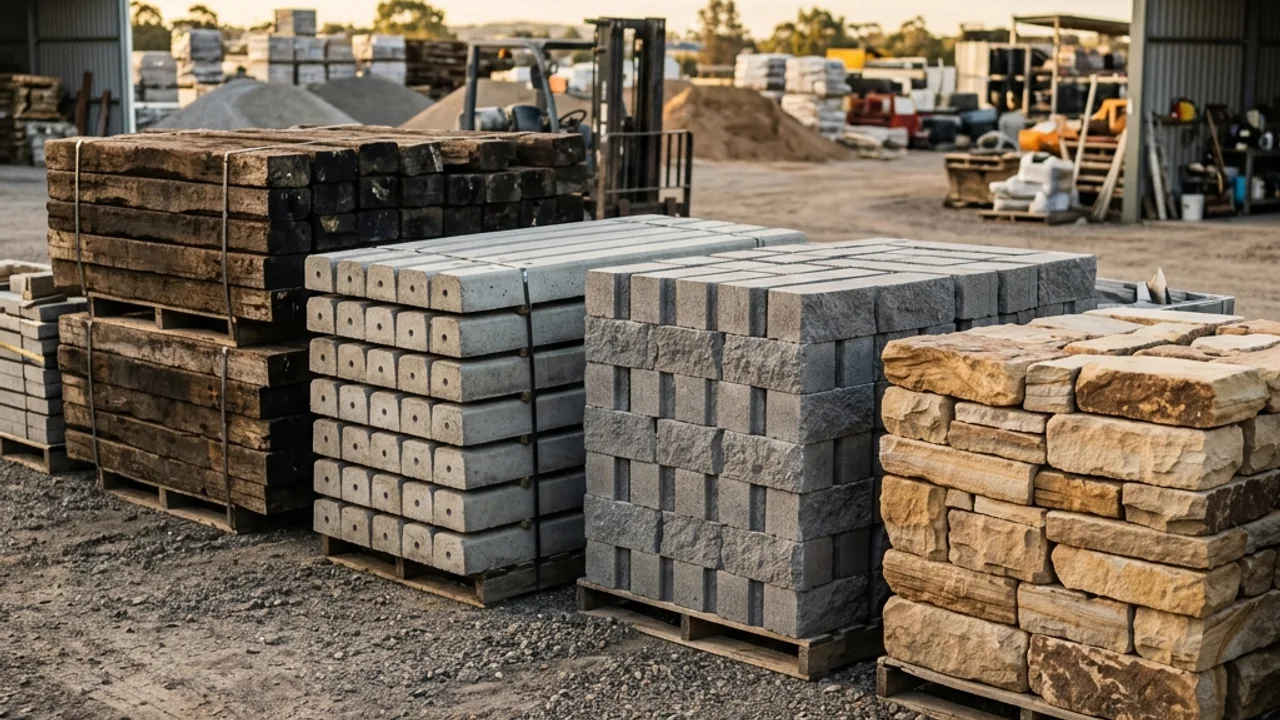
Rock fill and gabion baskets for a Toowoomba retaining wall

What a gabion wall includes

Galvanised gabion basket supply

Galvanised (and PVC-coated where exposure demands) steel wire baskets supplied in the sizes the wall needs, tied together into a continuous, stable structure.

Rock and stone infill

Hard, durable rock hand-packed and machine-filled densely into the baskets so the wall reaches its full gravity weight and does not settle or bulge over time.

Geofabric backing and drainage

Geotextile fabric behind the baskets separates the soil from the rock fill so clay cannot wash through, while the wall itself drains freely by design.

How a gabion retaining wall works on erosion-prone ground

Where gabions beat a solid wall

On a seepage-prone or erosion-exposed site - a creek batter near Kearneys Spring, a cutting on a Cotswold Hills or Westbrook acreage block - the enemy of most walls is water building behind a solid face. Gabions sidestep that entirely: the rock-filled baskets let water pass straight through, so there is no pressure to relieve. That free-draining behaviour, plus the sheer weight holding the soil back, is why gabions are a go-to for ground that stays wet or moves.

The strength of a gabion comes from how densely the baskets are filled and how well they are founded and tied. Our team packs the rock hard - hand-placing the face stones and filling the core tight - so the baskets do not slump and the wall keeps its line. A loosely filled gabion settles, bulges and loses the gravity weight it relies on, which is why the filling is craft work, not just tipping rock into a cage.

Geofabric behind the wall is the detail that protects it long term. Without it, the reactive Darling Downs clay slowly washes into the rock voids, clogging the free-draining quality that made gabions the right choice. With a geotextile separating soil from stone, the wall keeps draining and the ground behind it stays put. Gabions suit lower-to-moderate heights; taller or surcharge-carrying work moves to an engineered design, which our team flags honestly.

How a gabion wall gets built

1

Send the site

Length, height and what the wall holds - batter, cutting or boundary - plus your suburb.
2

Assess and quote

A builder in our network checks the ground and access and sends a written fixed-price quote.

3

Base and baskets

A level founded base prepared, baskets positioned, tied together and geofabric set behind.

4

Fill and finish

Rock packed densely into the baskets, lids closed and tied, then graded and tidied.

Why use our network for gabion walls

Free-draining gravity wall

The weight of densely packed rock holds the ground while water runs through the baskets, so there is no pressure to build - ideal for the seepage sites gabions are made for.

Packed to hold its line

The builder hand-packs the face and fills the core tight so the baskets reach full weight and do not slump, the difference between a gabion that lasts and one that settles.

Geofabric keeps it draining

A geotextile backing stops Toowoomba clay washing into the rock voids, so the wall keeps its free-draining quality long term rather than silting up.

Indicative Toowoomba Retaining Walls Pricing

Gabion walls are priced per square metre of wall face and depend heavily on rock supply and site access. The band is indicative only and excludes GST, excavation, cartage and difficult access; your retaining wall specialist confirms with a written quote.

Item Indicative range
Gabion wall (per m2 of wall face, supplied and installed) ~$250 - $430+
Rock supply / cartage (site dependent) by quote
These figures are indicative only and are not a quote. They are based on wall face area (height x length) and exclude GST, excavation, drainage, backfill, engineering and difficult access. Reactive clay, steep range blocks and surcharge loads can change the price materially. Your retaining wall specialist provides a written fixed-price quote before any work begins.

Gabion Retaining Walls: common questions

Real questions Toowoomba homeowners ask about this work.

How much does a retaining wall cost in Toowoomba?
Retaining wall costs in Toowoomba vary depending on height, materials, site access and whether engineering approval is needed. As a rough guide, timber walls under 1m are usually cheaper than concrete sleeper or engineered walls, and difficult access or steep blocks will push the price up. It's best to get a site visit and written quote because local soil and drainage conditions can significantly affect the total cost.
What type of retaining wall is best for Toowoomba's black soil?
Toowoomba's reactive black soils can move and expand, so concrete sleeper or engineered block walls with proper drainage are often preferred over simple timber. Good design will include adequate footings, geogrid or tie‑backs if needed, and ag‑drains to relieve water pressure. Talking to a contractor experienced with local soil types helps avoid cracking or failure down the track.
How much does a concrete sleeper retaining wall cost per metre in Toowoomba?
Concrete sleeper retaining walls in Toowoomba typically cost more per metre than basic timber due to materials, steel posts and labour. Prices vary with height, site access and engineering requirements, so you'll usually be quoted on a per‑metre basis after a site inspection. Getting a couple of local quotes helps you see the typical range for your particular block.
What drainage do I need behind a retaining wall on a Toowoomba property?
Most retaining walls in Toowoomba require gravel backfill and an agricultural (ag) drain behind the wall to relieve water pressure. This drain is usually connected to a suitable outlet so water doesn't pool or push against the wall, which can cause bowing or collapse. Good drainage design is especially important on clay or black soil blocks common in the region.
Do retaining walls add value to properties in Rangeville and Glenvale?
Well‑designed retaining walls can add value by creating usable flat yard space, improving access and tidying up slopes in suburbs like Rangeville and Glenvale. Buyers usually look for compliant, structurally sound walls rather than makeshift or failing structures. Investing in quality materials and proper approvals can make the property more appealing and reduce future repair issues.

Toowoomba suburbs we cover for Gabion Retaining Walls

The Gabion Retaining Walls service is available across all 15 Toowoomba suburbs in our coverage area. Pick your suburb for the local notes, or submit the form for a free review.

Gabion Retaining Walls in Rangeville Rangeville sits right on the range escarpment Gabion Retaining Walls in East Toowoomba East Toowoomba runs from the leafy Queens Park flats out to the Great Dividing Range escarpment at Redwood Gabion Retaining Walls in Mount Lofty Built across the north-eastern escarpment summit at around 700 metres Gabion Retaining Walls in Middle Ridge Middle Ridge occupies an elevated ridge spine south of the city Gabion Retaining Walls in Centenary Heights Centenary Heights is an elevated south-eastern plateau with cross-fall blocks draining toward East and West cr Gabion Retaining Walls in Newtown Newtown sits on the gentler western fall of the city over deep reactive black-soil clay that swells and shrink Gabion Retaining Walls in Harlaxton Harlaxton is a low-lying northern pocket sitting just below the escarpment Gabion Retaining Walls in Wilsonton Wilsonton spreads across the north-western flats on heavy reactive black soil Gabion Retaining Walls in Glenvale Glenvale is a semi-rural western locality on the Darling Downs black-soil plain Gabion Retaining Walls in Kearneys Spring Kearneys Spring drains toward West Creek around its namesake spring Gabion Retaining Walls in Darling Heights Darling Heights rises across the elevated south-western edge of the city around the university Gabion Retaining Walls in Drayton Drayton Gabion Retaining Walls in Highfields Highfields is a fast-growing range-top plateau north of Toowoomba at around 600 to 700 metres Gabion Retaining Walls in Westbrook Westbrook is a growth locality on the flat western cropping country of the Darling Downs Gabion Retaining Walls in Cotswold Hills Cotswold Hills is a hilly rural-residential pocket north-west of the city off the Warrego Highway

See all locations ->

Related retaining wall services

Get matched with a Toowoomba builder

Planning gabion retaining walls in Toowoomba?

Send the form for gabion retaining walls across the Toowoomba region. A QBCC-licensed builder in our network will be in touch with indicative pricing and a written fixed-price quote.